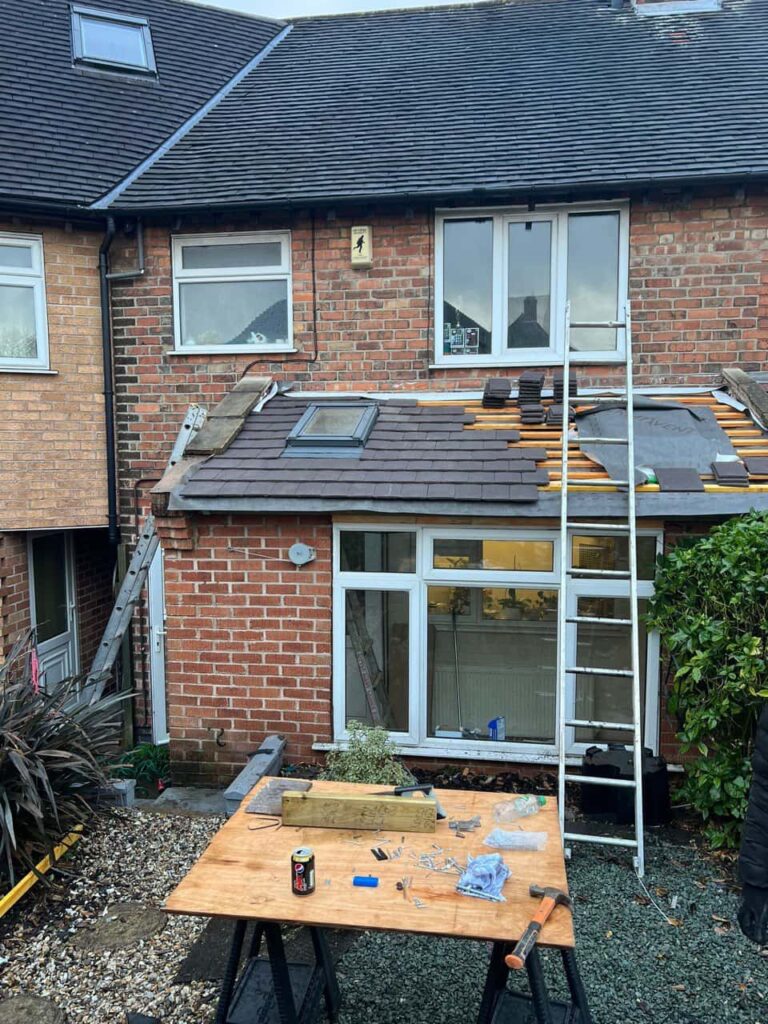
When homeowners experience recurring roof leaks, the first assumption is often that the tiles or slates are failing. However, one of the most common causes of persistent leaks is actually damaged or deteriorating flashing. Flashing plays a crucial role in directing water away from vulnerable areas of the roof, and when it fails, leaks can appear again and again—regardless of how many tiles are replaced.
LS Roofing Wallingford provides professional flashing repairs across Wallingford and the surrounding Oxfordshire area, helping homeowners resolve leak issues at their source.
What Flashing Does and Why It Matters
Flashing is the protective material installed around joins, edges, and roof features where water naturally tries to enter the property. It is commonly found around:
- Chimneys
- Roof valleys
- Dormer windows
- Skylights
- Junctions between roof sections
Its purpose is simple but vital: to create a waterproof barrier that channels water safely away.
When flashing is damaged, missing, or poorly installed, the roof becomes vulnerable—even if the rest of the structure is in good condition.
Why Faulty Flashing Causes Repeated Leaks
Unlike a broken tile, flashing issues do not always present themselves immediately. Small cracks, gaps, or lifting edges can allow water to seep in gradually. Because water often travels inside the roof before showing visible signs indoors, the true source of the problem may be hard to identify.
Common flashing issues include:
- Cracked lead or displaced sections
- Corrosion from age or pollution
- Failed sealants around edges
- Movement caused by temperature changes
- Poor installation on older properties
If these problems are not addressed, leaks will continue to return—even after other repairs have been carried out.
Protecting Vulnerable Areas of the Roof
Some areas of the roof are more exposed to weather than others. Chimney stacks, for example, experience constant heat changes, wind uplift, and water flow. Roof valleys carry significant volumes of rainwater during storms, putting extra pressure on the flashing.
This is why these points are often the source of repeated leaks. Ensuring the flashing is intact and properly sealed is essential for long-term protection.
Flashing Repairs Extend the Life of the Roof
Replacing flashing or repairing damaged sections can significantly improve the roof’s overall performance. By addressing the real cause of the leak, homeowners avoid unnecessary repairs to tiles, ceilings, or internal walls.
When carried out professionally, flashing repairs:
- Restore water-tightness
- Prevent hidden structural damage
- Reduce the likelihood of future leaks
- Protect roof timbers and insulation
For older homes in Wallingford, where weathering is a common issue, flashing repairs are often one of the most effective ways to extend the lifespan of the roof.
Why Professional Flashing Repairs Matter
Working on flashing requires precision. Poorly installed or incorrectly sealed flashing can cause more problems than it solves. Professional repair ensures:
- Correct materials are used for the roof type
- Joints and overlaps are watertight
- Flashing is securely fixed and resistant to weather movement
- The repair blends with the surrounding roofing
LS Roofing Wallingford has the experience and expertise to carry out flashing repairs to a high standard, ensuring long-lasting results.
Conclusion
Flashing repairs are one of the most effective ways to stop repeated roof leaks. By addressing the vulnerable points of the roof where water naturally gathers, homeowners can prevent ongoing issues and protect their property from unnecessary damage.
LS Roofing Wallingford provides reliable, professional flashing repairs throughout Wallingford and Oxfordshire. If you’ve noticed recurring leaks or suspect the flashing may be failing, get in touch to arrange a roof inspection and discuss the best solution for your home.
Call us on: 01491 527 591
Click here to find out more about LS Roofing Wallingford
Click here to complete our contact form and see how we can help with your roofing needs.