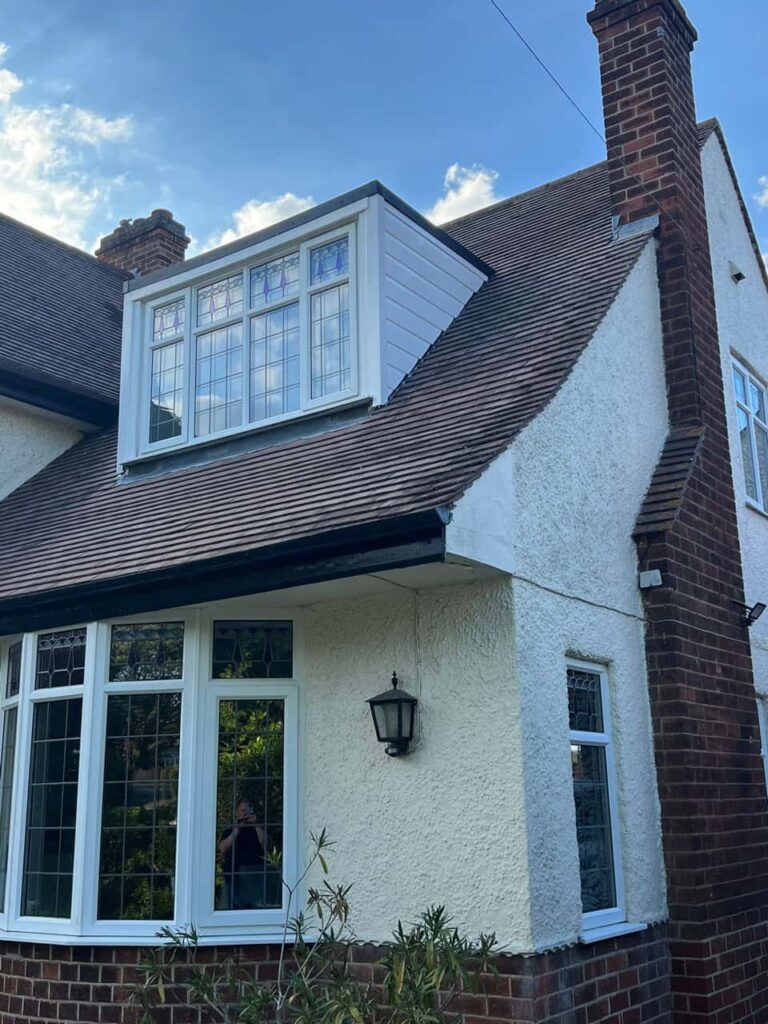
Roof repairs naturally involve some activity around a property, but they do not always have to cause major disruption. When the work is properly assessed, planned and carried out by an experienced roofing contractor, many repairs can be completed efficiently while allowing the household to continue with its usual routine.
The extent of the disruption will depend on the type and location of the damage. However, careful preparation and an accurate diagnosis can prevent unnecessary work, reduce delays and keep disturbance to a practical minimum.
How Experience Helps Reduce Disruption During Roof Repairs
Accurate Diagnosis Avoids Unnecessary Work
One of the main ways an experienced contractor limits disruption is by identifying the true cause of the problem before repairs begin. A damp patch inside the property may not sit directly beneath the roof defect because water can travel along underlay, timbers and other materials.
A thorough assessment may include checking:
- Tiles or slates for cracks and movement
- Ridges, hips and verges
- Lead flashing and roof junctions
- Valleys and drainage channels
- Flat roofing membranes and seams
- Gutters and outlets
- The roof space for moisture or staining
Finding the actual entry point allows the repair to focus on the affected area instead of disturbing a larger section unnecessarily.
Proper Planning Reduces Delays
Roofing work becomes more efficient when the contractor understands the defect, materials and access requirements in advance. Good planning helps ensure that the correct equipment and suitable replacement materials are available when work starts.
The contractor can also consider where equipment will be positioned, how the roof will be accessed and which parts of the property need protection. This preparation reduces avoidable interruptions and helps the work progress in an organised sequence.
Targeted Repairs Keep Work Localised
Many roofing problems do not require extensive work. If the surrounding roof remains sound, the contractor may be able to repair a limited section rather than disturb the complete covering.
Targeted repairs may be suitable for:
- Individual slipped or broken tiles
- Localised flashing defects
- Small areas of damaged felt
- Failed seals around roof penetrations
- Minor ridge or verge deterioration
- Isolated storm damage
- Blocked or damaged drainage details
Keeping the repair confined to the defective area can reduce the time, noise and movement associated with the work.
Efficient Access Protects the Property
Safe, practical access is essential for completing roof repairs without causing avoidable disturbance. An experienced contractor considers the roof height, pitch, surrounding ground and location of the defect before selecting an approach.
Careful positioning of access equipment helps protect paths, driveways, gardens and external features. It can also allow materials to be moved efficiently without creating unnecessary activity around the entire property.
Protecting the Work Area
Roof repairs can involve dust, fragments of mortar and old roofing materials. A well-managed work area helps contain these materials and protect the surroundings.
Before starting, the contractor can identify vulnerable areas and plan how waste will be collected. Keeping materials, equipment and removed components organised reduces clutter and makes the site easier to manage throughout the repair.
Reducing the Need for Repeat Visits
A quick patch may temporarily hide a problem without resolving its underlying cause. If water continues entering through an adjacent defect or damaged supporting material, further visits may become necessary.
An experienced roofing contractor examines how the affected components work together. For example, replacing a broken tile may not be enough if the batten beneath it has deteriorated or the underlay has torn.
Addressing the complete defect during the initial repair can reduce the likelihood of recurring leaks and repeated disruption.
Clear Communication Helps You Prepare
Knowing what to expect makes roofing work easier to accommodate. Before repairs begin, the contractor should explain the likely scope of the work, which areas need to remain accessible and whether normal use of any entrance, driveway or garden area may be temporarily affected.
Clear communication also helps the property owner understand whether access to the interior is required. Many repairs can be carried out mainly from outside, although inspection of the loft or affected room may be necessary to confirm the leak source and assess internal moisture.
Weather-Responsive Working
Roofing work is exposed to changing weather, which can affect both timing and the order in which tasks are completed. Experienced contractors monitor conditions and avoid opening more of the roof than can be safely managed.
When materials must be removed, the work can be organised so that vulnerable areas are protected promptly. This careful sequencing helps prevent the repair itself from exposing the property to unnecessary risk.
Matching Materials Correctly
Using suitable materials helps repairs integrate with the existing roof. Tiles, slates, flashing and membranes differ in design and installation requirements, so incorrect selection can delay work or lead to further defects.
An experienced contractor identifies the relevant roofing system before beginning. Correct material matching helps the repair proceed smoothly and supports a secure, weather-resistant result.
What Property Owners Can Do Before Work Begins
A few simple preparations can help the repair run efficiently:
- Keep agreed access routes clear
- Move vehicles if they obstruct the work area
- Remove delicate items from directly below the affected roof section
- Provide access to the loft or leaking room if requested
- Mention any known drainage or access difficulties
- Keep pets and children away from the work area
The contractor should provide guidance based on the particular repair, so extensive preparation is not usually necessary.
Conclusion
An experienced contractor can often reduce the disruption associated with roof repairs through accurate diagnosis, careful planning and efficient working. By targeting the actual defect, protecting the surrounding property and addressing related damage at the same time, the repair can be completed with fewer avoidable delays and less disturbance.
LS Roofing Wallingford provides professional roof assessments and repairs in Wallingford, Oxfordshire. If your roof has developed a leak or visible damage, contact our team to arrange an inspection and discuss an appropriate repair.
Call us on: 01491 527 591
Click here to find out more about LS Roofing Wallingford
Click here to complete our contact form and see how we can help with your roofing needs.